Affiliate Disclosure: This post may contain affiliate links. If you click and make a purchase, we may earn a small commission at no extra cost to you. Read more at our Affiliate Disclosure page.
If you’ve ever found yourself doom-scrolling at midnight, jaw clenched, unable to switch off, you’ve probably searched something like “how to reduce stress fast” and landed on a dozen meditation apps, adaptogens, and cold plunge influencers. At some point in that rabbit hole, you may have come across Pulsetto.
It turns up in biohacker circles, longevity podcasts, and wellness TikToks. The claim is disarmingly simple: wear a device on your neck for four minutes, and your body shifts out of fight-or-flight and into rest-and-digest. That’s either a compelling promise or a very expensive placebo. After digging into the science, the user base, and the product line itself, here’s what actually holds up.
What Pulsetto Actually Is
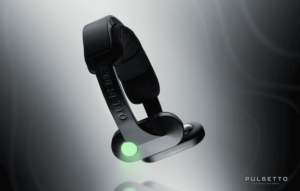
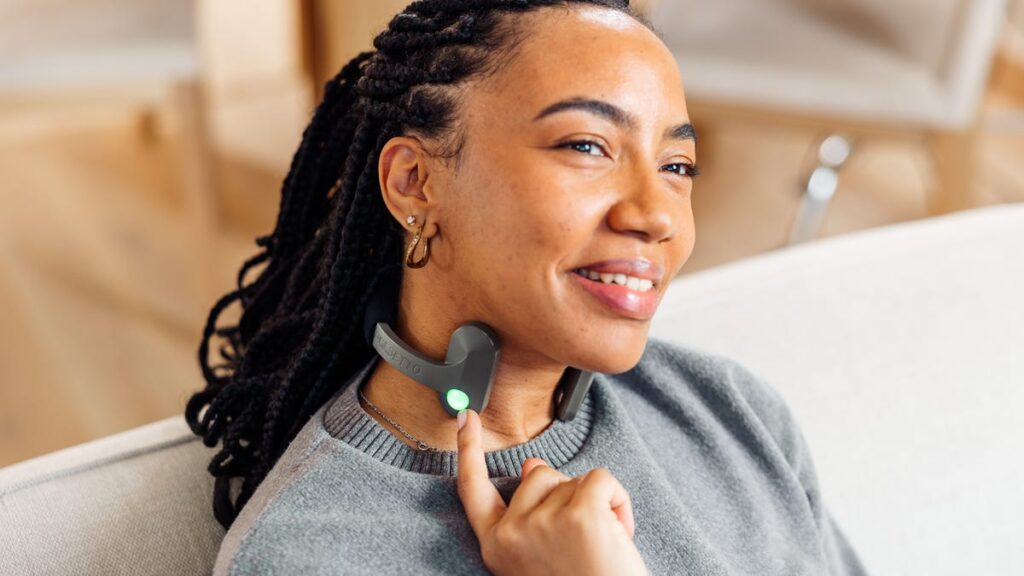
Pulsetto is a transcutaneous vagus nerve stimulator (tVNS), a wearable device that wraps around the back of your neck and sends mild electrical pulses through two contact points to stimulate the vagus nerve. It’s not a meditation app. It’s not a supplement. It’s closer in mechanism to a TENS unit, except aimed specifically at a nerve pathway that has a direct line into your parasympathetic nervous system.
The company was founded in Lithuania by Povilas Sabaliauskas and Vitalijus Majorovas, both of whom came to vagus nerve stimulation through personal necessity rather than commercial opportunism. Povilas’s father had a health deterioration that conventional treatments couldn’t address. Vitalijus’s wife was dealing with debilitating cluster headaches and migraines. Both founders encountered published research on VNS and, finding no consumer-accessible product on the market, built one.
The device launched via Indiegogo, attracted a €500,000 investment from Kilo Health, made an appearance at CES, and has since scaled to over 200,000 customers across Europe and beyond. It’s been covered by The Times, Business Insider, MSN Health, and Yahoo Finance. That’s a more credible origin story than most wellness gadgets can claim.
What They Offer
Pulsetto currently sells two device variants and several accessories:
- Pulsetto Lite: The original device, now relaunched under this name. A collar-style wearable with adjustable arms to fit different neck sizes. Connects via Bluetooth to the Pulsetto app. Uses electrical pulses across two metal contact pods. Priced at approximately €242 (currently discounted from €542).
- Pulsetto FIT: The newer, upgraded model launched in 2025. Sleeker design, longer battery life, improved comfort, and additional app capabilities including fitness tracking metrics. Currently around €278 (discounted from €578). Better for users who want data alongside their sessions.
- Pulsetto Gel: A conductive gel that improves contact quality between the pods and your skin. Sold separately in a box and listed as necessary for good stimulation results, worth factoring into the total cost.
- Travel Cases: Protective cases available for both the FIT and Lite versions. Priced at €49.
- 12-Month Premium App Subscription: The app has a free tier that covers basic stimulation programs. Premium unlocks additional guided meditation overlays, breathing exercises, and extended program libraries. Sold as a standalone purchase at €X per year.
- Cleaning Wipes: Maintenance accessories for the contact points.
The app is where the sessions actually happen. You select a program, Stress, Sleep, Burnout, Focus, Anxiety, Gut Health, and others, and the device runs for four minutes at the corresponding frequency. You can adjust intensity mid-session. The light on the device blinks during an active session and returns to steady blue when finished.
The Honest Review Picture
The science behind vagus nerve stimulation isn’t fringe. Peer-reviewed research supports tVNS for improving heart rate variability (HRV), reducing perceived stress, improving mood, and supporting sleep quality. A 2025 randomized controlled trial found that four weeks of daily Pulsetto use produced a reported 56% drop in stress and a 41% improvement in sleep quality. A 2024 master’s thesis from Erasmus University in Rotterdam measured significant decreases in heart rate and increases in HRV in participants using Pulsetto compared to a sham group.
Pulsetto is also the only bilateral cervical tVNS device on the consumer market, meaning it stimulates both sides of the neck simultaneously, rather than the auricular (ear-based) approach used by some competitors. Most published tVNS research focuses on auricular stimulation, which means some of the claims extrapolate across device types, but the Erasmus research used Pulsetto specifically and still showed measurable results.
That’s the encouraging side. Here’s the more complicated picture.
Advantages
When Pulsetto works, the effects are real for a significant portion of users. Sleep improvement is the most consistently reported benefit, across independent reviews, user testimonials, and the formal study data. Users who struggle with racing thoughts at night report falling asleep more easily after evening sessions. The sensation itself (described as a gentle vibration or mild tingling in the neck) is not unpleasant for most people, and sessions are short enough to work into existing routines.
The FIT model, in particular, gets positive marks for comfort and build quality compared to earlier versions of the device. The app is well-designed and easy to navigate. Customer support, while not perfect, is accessible via email and live chat, and the 30-day money-back guarantee removes a significant portion of the financial risk.
FCC and CE certifications mean the device has cleared regulatory safety standards in both the US and EU markets. The 2-year warranty is genuinely good for a consumer wellness device.
Try Pulsetto with a 30-day guarantee
Sleep better, stress less, and if it doesn’t work for you, get a full refund within 30 days.
Disadvantages
Results are genuinely inconsistent. Stress reduction is the headline claim, but it’s also the benefit users are least reliably reporting in independent reviews. Sleep improvement and general calm come through more consistently. Whether that’s a placebo effect, a dosing issue, or just individual variation in vagal tone is hard to determine without more rigorous individual-level research.
The gel requirement isn’t always prominently advertised at the point of sale. Some users report the device simply doesn’t feel like it’s working without it, and discovering this post-purchase is frustrating. The gel box is an additional €34, not ruinous, but it should be front-and-centre in the buying process.
The Premium subscription creates a two-tier experience. The free app tier is functional but limited; users who want the full suite of programs need to pay extra on top of an already premium-priced device. The pricing structure isn’t unusual in the wearable space, but it’s worth knowing before you buy.
Some users with specific medical conditions, pacemakers, epilepsy, active cancer, pregnancy, are contraindicated from using the device. Pulsetto includes these warnings, but the consumer wellness positioning means some buyers may not read them carefully.
Who Pulsetto Is Actually Good For
- People dealing with chronic low-grade stress or burnout who have already tried apps, supplements, and habit-stacking without meaningful relief
- Poor sleepers who need help quieting their nervous system before bed, this appears to be where Pulsetto delivers most reliably
- Biohackers and data-driven wellness enthusiasts, particularly those who’ll gravitate toward the FIT model’s additional metrics
- Anyone who prefers a passive, device-driven approach over active practices like breathwork or meditation (though Pulsetto can layer on top of those, too)
- Frequent travellers who want a portable stress tool, the four-minute session time and compact form factor make this feasible in airports, hotel rooms, or between meetings
It’s probably not the right first purchase if you’ve never tried any stress or sleep intervention before. Breathwork, consistent sleep schedules, and reducing caffeine after 2pm will all move the needle before you spend €242. But if those things aren’t enough, Pulsetto addresses a mechanismm parasympathetic nervous system activation that most lifestyle interventions don’t directly target.
How the Two Models Actually Differ
This is worth understanding before you order, because they’re not just cosmetic variants:
Pulsetto Lite:
The core device. Vagus nerve stimulation across all app programs. Good build quality, established track record, lower price point. For most people who simply want to try tVNS, this is the sensible entry point.
Pulsetto FIT:
Everything in the Lite, plus a redesigned form factor for all-day wear comfort, longer battery life, and added health tracking integration. If you’re already tracking HRV, sleep stages, or recovery metrics elsewhere, the FIT’s data outputs give you something to correlate your Pulsetto sessions against. At roughly €36 more, the upgrade isn’t dramatic in price but is meaningful in experience.
How to Save
- Sale events: Pulsetto runs significant promotions around major dates. At time of writing, an early Memorial Day sale has both models reduced by up to €300. Valentine’s Day and Black Friday historically bring the steepest discounts.
- Indiegogo backing history: The brand originally launched on Indiegogo, so founder-tier pricing has existed before. Newsletter signup sometimes surfaces early access to sales.
- Bundle deals: The website occasionally bundles the device with gel and a travel case at a combined discount, check before buying components individually.
- 30-day trial window: The money-back guarantee means you can test the device across a meaningful period before committing. Use that window properly rather than returning it after two sessions.
- Skip Premium initially: The free app tier gives you enough to evaluate whether the device is working for you. Upgrade only once you’ve confirmed it’s part of your routine.
Your 30-Day Risk-Free Trial Starts Here
Pulsetto is backed by a 30-day money-back guarantee, so there’s no risk in trying it. If you’re dealing with chronic stress, disrupted sleep, or burnout that lifestyle changes haven’t fully addressed, this is a low-friction way to test whether vagus nerve stimulation makes a difference for you. Sessions take four minutes. The results, if they’re going to come, typically show up within the first few weeks.
Frequently Asked Questions
Does it actually feel like anything?
Yes. Most users describe it as a mild buzzing or tingling sensation in the neck, not painful, not alarming. Intensity is adjustable through the app, so you can dial it down if the default feels too strong. The sensation varies depending on which program you’re running, as each operates at a different frequency and pattern.
How quickly do you see results?
Sleep improvement tends to come first, often within the first week of consistent evening use. Stress reduction is more variable, some users report feeling calmer after individual sessions, while others need several weeks of daily use before the effect is noticeable. The 2025 study data used a four-week window as its measurement period, which suggests that’s a reasonable evaluation timeframe.
Is the science solid?
Vagus nerve stimulation as a therapeutic approach has solid scientific backing, particularly in clinical settings. Consumer-grade tVNS devices like Pulsetto are newer, and the research base specific to cervical (neck) stimulation, rather than auricular (ear), is still building. The Erasmus University research and the 2025 peer-reviewed study using Pulsetto specifically are encouraging, but not as extensive as what you’d find for, say, CPAP therapy. The direction of the evidence is positive; the certainty isn’t yet clinical-grade.
Is there a subscription required?
No subscription is required to use the device. The app has a free tier that covers the core stimulation programs. A 12-month Premium subscription unlocks additional content (breathing protocols, extended meditation sessions, more program variety) but the device works without it.
What if it doesn’t work for me?
The 30-day money-back guarantee is the most important thing to know here. Pulsetto explicitly states they want customers to experience real results, and refund requests within the window are handled without requiring you to justify why the device didn’t meet expectations. Contact their support team promptly if you want to use it, customer service via email and live chat is available, though response times can vary during high-traffic periods.