Affiliate Disclosure: This post may contain affiliate links. If you click and make a purchase, we may earn a small commission at no extra cost to you. Read more at our Affiliate Disclosure page.
Hume Health goes past step counts and calories and gives you data that’s actually worth acting on: how your body recovers, how your metabolism performs, and whether your daily habits are building your health up or quietly draining it.
What Hume Health Actually Is
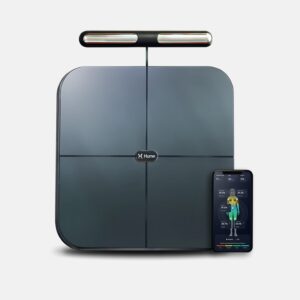
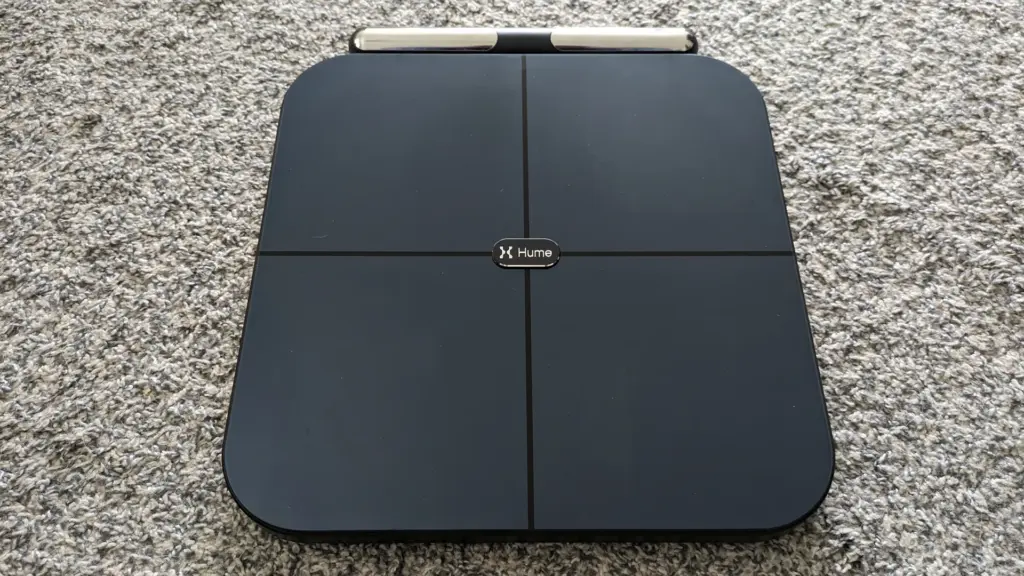
Hume Health is a wellness platform built around two devices: the Hume Band (a wrist-worn tracker) and the Hume Body Pod (a smart body composition scale), both managed through the free Hume Health app.
Where it differs from a Fitbit or Apple Watch is the focus. Hume isn’t tracking your workout performance. It’s tracking your longevity, specifically how your daily choices affect your body’s long-term capacity. The app translates everything into three core scores:
- Metabolic Capacity: your body’s current ability to handle stress and maintain energy (scored 1–100)
- Metabolic Momentum: whether your habits are building health or eroding it (scored -20 to +20)
- Health Score: a combined weekly snapshot across body composition, heart health, sleep, and recovery
Think of it as a dashboard for your body, not a leaderboard for your workouts.
How It Works
The Hume Band sits on your wrist 24/7. Five LEDs and four photodiodes measure your heart rate, HRV, SpO₂, respiratory rate, skin temperature and sleep stages.
That data syncs via Bluetooth to the app, where AI processes it into daily insights and recommendations. It takes about 1–2 weeks before the AI learns your baseline well enough to give truly personalized feedback. After that, the morning check-in becomes genuinely useful, it tells you whether today is a push day or a rest day, and why.
The Hume Body Pod adds body composition tracking: body fat percentage, muscle mass, water percentage, visceral fat, and 45+ other metrics. Used together, the Pod and Band give a more complete picture than either device alone.
Who Benefits Most
Great fit for:
- People who want to understand why they feel tired, not just that they slept 7 hours
- Anyone on a weight loss or body recomposition journey who wants to track fat vs muscle, not just the number on the scale
- People managing stress or recovery who need objective feedback, not guesswork
- Those who’ve outgrown basic fitness trackers and want something with more depth
Not ideal for:
- Anyone looking for a screen-based wearable, the Hume Band is screenless, all data lives in the app
- Users who need GPS or workout-specific tracking (Garmin or Apple Watch handle that better)
- People who aren’t willing to wear it consistently
The Deals Worth Knowing
The Hume Band retails at $199–$249 and the Body Pod at $199. That’s not cheap, but there are regular discounts worth waiting for or stacking:
- HUMEPRO25: 25% off, recently verified and widely reported as active
- SPRING50: 50% off, currently live for spring promotions
- NEW20: 20% off plus free shipping for new customers
- Signing up via the website pop-up has reportedly unlocked up to 40% off for some users
The Premium app subscription runs $8.99/month and unlocks AI coaching, personalised feedback, and a free Band upgrade every two years. The free version covers core tracking and device syncing, which is enough to start with.
What Users Actually Say
The Hume Band holds a 4.7/5 rating across nearly 3,000 reviews, strong for health tech in this price range.
Positive feedback centres on the sleep and recovery insights, with users reporting things like identifying their personal stress windows, finally understanding how alcohol affects their recovery, and realising they were overtraining before Hume flagged it.
Critical feedback is worth knowing too. Battery life on the Band runs about two days before needing a charge. The Body Pod can take multiple tries to sync a weigh-in correctly. Some users on Samsung phones have experienced app crashes after updates. And a handful of Trustpilot reviews flag delays with refunds, though customer service appears responsive when pushed.
The pattern in the reviews is consistent: the device data is good, the app experience has rough edges.
Hume Health vs Just Buying a Smartwatch
A standard smartwatch counts steps and reads your heart rate. Hume gives you Metabolic Capacity and tells you whether your body is in a building phase or a recovery deficit. That’s a different category of information.
If you want notifications, maps, and music controls, well get a smartwatch. If you want to understand how your sleep quality, stress load, and eating patterns are actually affecting your health over time, that’s what Hume is doing something most wearables aren’t.
Is It Worth It?
Yes , if you go in knowing it’s a health insight tool, not a fitness tracker. The first two weeks feel slow while the AI calibrates. After that, the daily feedback becomes one of those things that’s hard to give up.
Frequently Asked Questions
Do I need both the Band and the Body Pod?
No, the Band works independently.
Is the app actually free?
Yes. Core tracking and device syncing are free.
How long before I see useful data?
Expect 1–2 weeks for the AI to learn your baseline. Some users see meaningful patterns earlier.
Does it work with Apple Health or Google Fit?
Yes, but you need to enable it manually in the Connected Apps section.
Is the Body Pod accurate?
Hume claims 98% accuracy and it’s HSA/FSA eligible, which implies medical-grade standards. Real-world reviews are mostly positive, though some users report inconsistent weigh-ins that require multiple attempts.